All Categories
Featured
Table of Contents
Our vendor-neutral approach makes sure that your cloud platform choice lines up with your architecture, budget plan, compliance, and future objectives. Criteria AWS Azure Google Cloud Best For Broad-scale business needs Microsoft-centric services AI/ML and data-heavy work Strengths Biggest service range & worldwide protection Strong hybrid cloud & MS tool combination Leading in Kubernetes & analytics AI/ML SageMaker, Rekognition Azure ML, Cognitive Services Vertex AI, BigQuery ML Prices Pay-as-you-go, reserved, spot Hybrid advantages, enterprise deals Sustained-use discounts Dev Tools AWS Dev Tools, CLI, SDKs Azure DevOps, GitHub Cloud Build, Functions, SDK Hybrid Support Outposts, VMware on AWS Azure Arc, Stack Anthos for multi-cloud Security Advanced IAM, compliance-ready Identity-focused security Zero-trust by default Cloud transformation can cause cost savings, but just with the ideal controls.
For an extensive understanding, have a look at the table. Cloud Transformation Strategy What Does It Do? Right-Sizing Resources Match compute, storage, and network resources to actual usage. Autoscaling & Serverless Scale immediately and pay only for execution time to avoid overprovisioning. Usage-Based Billing Designs Utilize on-demand prices to align expenses with real-time intake.
CI/CD Pipeline Effectiveness Automate screening and deployment to minimize environment waste and idle expenses. Scheduled Instances Lock in long-term workloads at affordable rates for foreseeable cost savings.
The Core Benefits of Intelligent Cloud Infrastructure
The concept of cloud computing, or the meaning of cloud, means contemporary IT innovation utilized to process and shop information not on computer system disks or local servers but in virtual space, developing a cloud environment. Cloud computing works by transferring the provision of IT services (data, software application or calculating power) to external servers.
In today's rapidly progressing technological landscape, organizations are continuously looking for innovative solutions to simplify their operations, improve performance, and acquire a competitive edge. Among the most essential advancements in recent years has been the adoption of cloud solutions. This paradigm shift has actually revolutionized the way companies handle their information, applications, and resources.
Traditional on-premise services often have a hard time to stay up to date with the ever-changing demands of businesses. Cloud services, on the other hand, offer exceptional scalability. Whether your organization experiences an unexpected rise in demand or requires additional resources for a brand-new job, cloud services can swiftly and seamlessly adapt to your needs.
Is Your Business Ready for 2026?
Embracing cloud options eliminates the need for substantial upfront financial investments in physical hardware and facilities. Furthermore, you can prevent the ongoing costs of upkeep, upgrades, and security that feature on-premise options. Cloud suppliers usually offer a pay-as-you-go model, enabling you to optimize your expenses and designate resources where they are required most.
Trusted cloud providers invest greatly in advanced security procedures, encryption technologies, and compliance certifications. Cloud services enable real-time collaboration on files, projects, and applications from anywhere with an internet connection.
In case of a natural catastrophe, hardware failure, or other unexpected situations, cloud solutions use robust disaster healing and service continuity techniques. With information stored in geographically redundant data centers, you can quickly recuperate important info and applications, ensuring minimal downtime and disruption to your operations. Cloud solutions supply a fertile ground for innovation.
Conclusion The adoption of cloud services represents a critical minute in the advancement of contemporary organization operations. By harnessing the power of the cloud, companies can future-proof their operations and embark on a transformative journey towards sustainable development and success.
Key Tips for Navigating the Future of Tech
Achieve unmatched clearness with Hexaware's Amaze, an AI-fueled, automation-rich platform. It carefully brochures your IT facilities, demystifying complex application relationships and dependencies. The outcome? An unparalleled roadmap for migration techniques, tailored to your specific needs. Partner with Hexaware for cloud migration that lines up with your spending plan without jeopardizing efficacy. Through tactical cloud-native applications, customized resource modifications, and intelligent auto-scaling, we supply an economical roadmap for your cloud journey.
Elevate your modernization journey with Hexaware's exceptional competence in PaaS, CaaS, and FaaS environments. We assist you through re-platforming, refactoring, and rearchitecting, guaranteeing you extract maximum worth from your cloud improvement. Hexaware alleviates your modernization anxieties with automation-backed, framework-driven solutions, minimizing potential threats and ensuring a successful modernization journey, causing tangible TCO cost savings.
The pandemic produced a total change in the way companies ran. The work-from-anywhere (WFA) experiment demanded by the pandemic provided extraordinary expense savings and continues to do so. Digital Marketplaces have ended up being the standard, and online customer touchpoints have actually changed standard channels across industry verticals. Over the last couple of years, it has actually become apparent that business that adjust rapidly to altering market conditions exceed their peers considerably.
Digitalization goes one action even more and focuses on improving organization processes using digital workflows. Digital Improvement includes both digitization and digitalization along with organization and individuals elements.
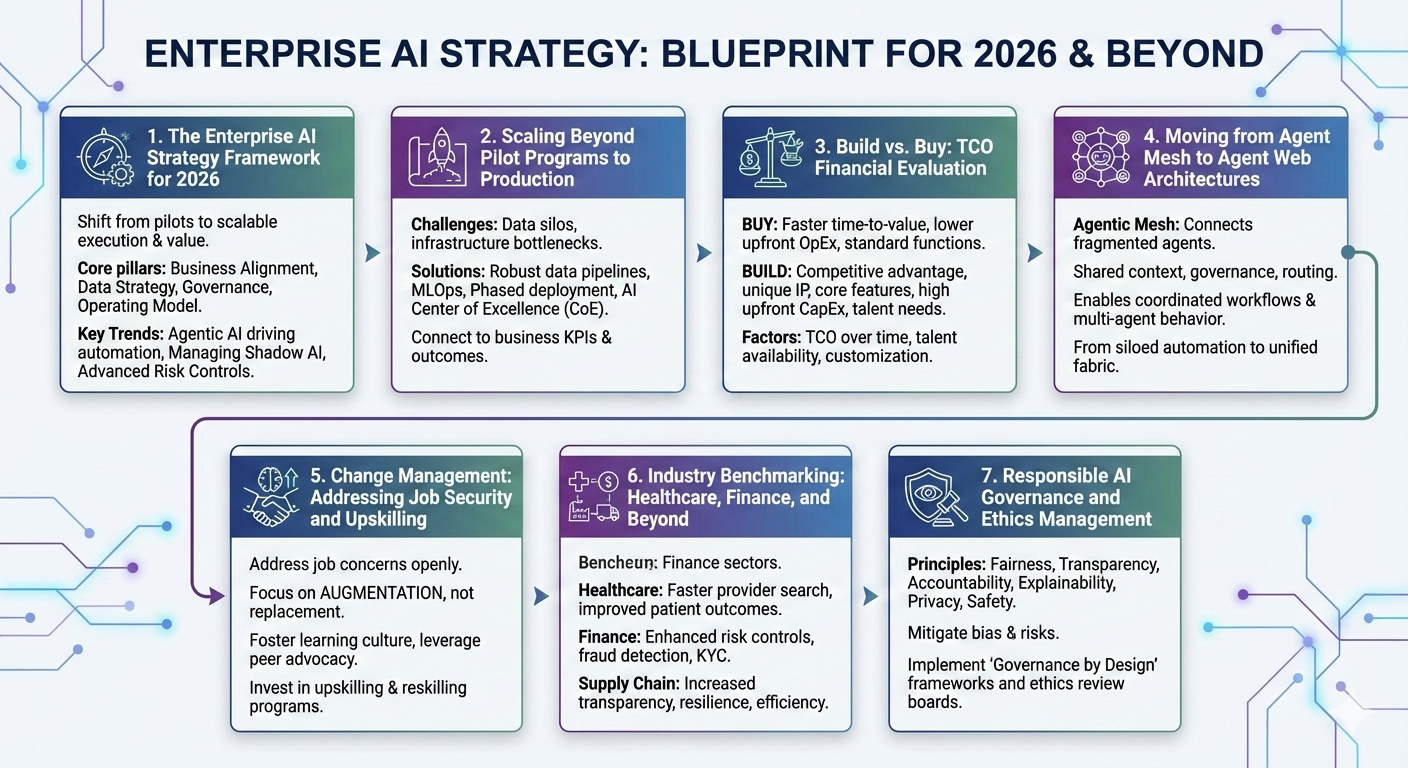
Navigating the 2026 AI and Modern Roadmap
Setting-up on-premise facilities likewise entails employing IT resources which is an extra functional cost. Considering that it is challenging to forecast ROI for big digital jobs, company leaders might be averse to taking the plunge.
Managing Complicated Information Permissions in Shared AI EnvironmentsTransformational projects might require modifications in business designs, work environment characteristics, and operating procedures. A perception that potential IT options might not supply the required flexibility is one of the reasons digital transformation initiatives fail to take off. Cloud innovations are ending up being the bedrock of change methods for contemporary companies.
Cloud platforms are typically available on a month-to-month or annual per-user membership basis. The cloud service company handles the servers, network parts, and application updates in the background.
IT groups can immediately increase or decrease storage and computing capabilities based on enterprise requirements. It allows companies to attempt proof-of-concept (POC) or produce new applications without hardware limitations or a sluggish procurement procedure. Cloud-based software apps offer out-of-the-box performances lined up with market best practices. You can likewise set up and tailor these workflows for policies and designs specific to your organization.
Measuring the Business Impact of AI-Driven Cloud Transformation
Company users can typically deal with these on their own. Per a current Deloitte Insights study of more than 500 IT leaders, 58% of participants ranked data security as the No. 1 or 2 reason for moving to the cloud. Modern cloud services use the most current security procedures at every layer, from hardware and os to application and user levels.

Latest Posts
Traditional Infrastructure Versus Modern AI-Cloud Paradigms
Traditional IT Vs AI-Native Solutions
How to Accelerate Growth With Integrated Cloud Systems